
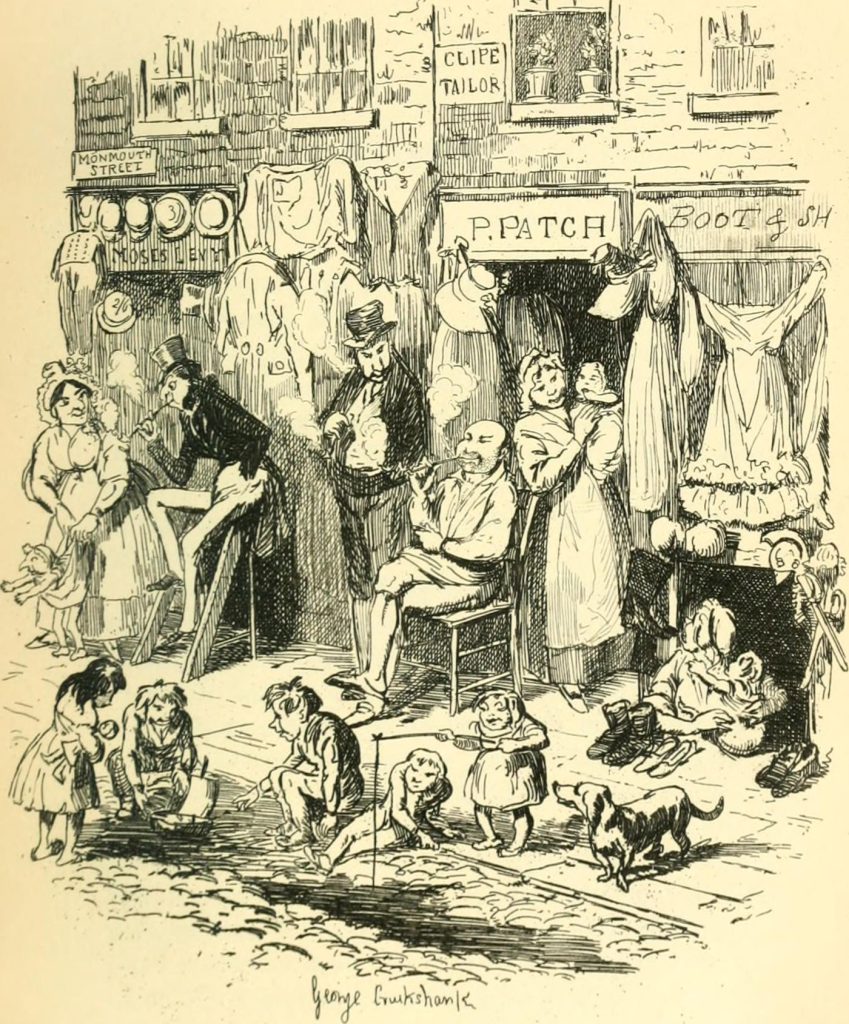
Second-hand shopping is saving money and keeping clothes in use, as more shoppers turn to charity shops, resale apps and vintage stalls for everyday buys. A coat, a child’s outgrown jacket or a barely worn pair of shoes can cost a fraction of the new price second-hand, and the quality is often just as good, since many items were worn only a few times. Money advisers say the habit suits tight budgets especially well, because children’s clothes, occasion wear and homeware are all easy to find used. The environmental benefit adds to the appeal: every second-hand purchase is one fewer new item made and one fewer old item thrown away. Online resale platforms have made the search easier, with filters for size, brand and condition, while charity shops offer the pleasure of a lucky find. Shoppers say the thrill of finding a bargain keeps them coming back.
What the Evidence Shows
Experts advise checking items carefully before buying: look for stains, worn seams, missing buttons and working zips, and try clothes on where possible. Online buyers should read the seller’s reviews, check the measurements and confirm the returns policy. A simple rule helps: buy second-hand first for items that are used briefly, such as children’s clothes and party outfits, and buy new for things that wear out fast, such as shoes for growing feet. Washing or cleaning every second-hand item before use is good practice. Selling unwanted items on the same platforms can also fund the next purchase. For shoppers, the reward is practical: a wardrobe that costs less, lasts longer and wastes far less. Reporting and analysis from sources such as World Bank track the same developments, and specialists following second-hand shopping to save money say the direction is now consistent across independent lines of evidence.
The Wider Context
For households and small firms, second-hand shopping to save money matters through prices and access rather than through market commentary. Changes at this level arrive as a rate on an offer letter, a fee on a statement or a product that quietly disappears from a comparison table. Consumer groups argue that transparency at exactly that point of decision is worth more than any amount of market-level reporting.
What Happens Next
The outlook for second-hand shopping to save money hinges on policy choices that will be made in the open over the coming quarters. Market participants are positioned for more than one outcome, which is why the immediate reaction to each announcement has been smaller than the commentary around it. For ordinary savers and borrowers, the advice from every quarter is the same: review your own position, not the headlines. You can follow related developments in our coverage of finance.
It is also worth remembering how quickly the picture in this area has changed before. Positions that looked settled a few years ago have been revised as new data arrived, and the same humility is appropriate now. The strongest coverage of this subject, and the most useful advice, tends to come from sources that update their views openly when the facts move, rather than defending an earlier position long after it has stopped fitting the evidence available.
